Futures Prop Trading Firm: 7 Checks Before You Pay
Use seven practical checks to compare futures prop firms, uncover restrictive rules, verify credibility, and protect your challenge fee.

A large advertised balance does not make a futures program attractive. Before paying, compare the loss rules, full participation cost, withdrawal access, and legal entity behind the offer. If any material term remains unclear, do not purchase the evaluation.
Pas le temps de lire ?
- The best firm is not necessarily the one advertising the largest account, but the one whose drawdown and payout rules fit your trading style.
- Compare the total cost of qualifying, including activation, reset, data, platform, and withdrawal fees.
- Determine whether trading remains simulated after qualification and how the firm funds trader payouts.
- Save a dated copy of every rule before paying because terms, prices, and account conditions can change.
- Verify the business, disciplinary history, support process, and payout evidence before starting an evaluation.
What should you know before paying an evaluation fee?
Choosing a futures prop trading firm requires comparing enforceable contract terms and total costs, not nominal account size. Prices can change, and no firm can guarantee that you will qualify for or receive future payouts.
Before buying a futures trading challenge:
- Calculate the maximum amount you could spend through your first withdrawal.
- Identify every daily, trailing, and overall loss limit.
- Read the consistency, news trading, position sizing, and prohibited-conduct rules.
- Confirm whether qualification leads to simulated or live execution.
- Review withdrawal eligibility, caps, reserves, and denial provisions.
- Save dated copies of the agreement, FAQ, pricing page, and payout policy before payment.
Screenshots matter because a later rule change can make it difficult to establish which terms applied when you enrolled.
How does the evaluation and funding model actually work?
Most programs begin with simulated trading. The trader must reach a profit target while respecting daily loss limits, minimum trading days, position limits, and any consistency requirement. Passing may trigger an activation fee and another qualification review.
2026 review benchmark: Passing an evaluation does not establish that the advertised balance has been deposited under the trader’s control.
A funded futures account may still operate in a simulated environment. The displayed balance usually functions as a rule-setting reference for targets and drawdowns, not as withdrawable cash. Some firms may later move selected traders to live execution, but the timing, eligibility criteria, and economic arrangement depend on the contract.
Treat “funded” as a program status. Verify separately whether orders are simulated, copied, hedged, or placed directly in a live market.

Which seven rules should you compare side by side?
Build one table from each firm’s current agreement. Do not rely solely on a comparison page or promotional dashboard.
| Rule | What to verify | Why it matters |
|---|---|---|
| Drawdown type | Static, end-of-day trailing, or intraday trailing | Determines how quickly the failure threshold moves |
| Calculation frequency | Real time, end of session, or another stated interval | Unrealized gains may affect the threshold |
| Daily loss limit | Balance or equity basis, reset time, included fees | A position can violate the rule before it closes |
| Profit target | Net or gross of commissions and fees | Changes the actual performance required |
| Consistency rule | Largest-day threshold and calculation method | One strong day may delay qualification or withdrawal |
| Trading periods | Overnight, weekend, news, and contract restrictions | Otherwise valid trades may breach the agreement |
| Withdrawal conditions | Waiting periods, caps, reserves, and drawdown treatment | Determines whether profits are practically accessible |
Consider a hypothetical $50,000 starting balance with a $48,000 threshold. If a trailing drawdown follows an intraday equity peak and the account reaches $51,000, the threshold could rise to $49,000. If the gain retraces and the session closes at $50,400, the usable buffer is now $1,400 rather than the original $2,000.
That example is illustrative, not a universal formula. Contracts differ on whether the threshold follows unrealized equity, realized balance, end-of-day results, or stops trailing at a specified level.
What will the account really cost from evaluation to withdrawal?
The headline evaluation fee is only the first line of the calculation.
2026 cost test: Total potential expenditure equals evaluation fees plus subscriptions, resets, activation, data, platform, commission, and withdrawal costs.
Record the possible cost of:
- Initial and recurring evaluation charges
- Failed-account resets or replacement evaluations
- Funded-stage activation
- Exchange data and platform access
- Commissions and transaction fees
- Withdrawal or processing charges
The value of a funded account depends more on usable drawdown and payout access than on its displayed size. Read the prop firm payout rules alongside the cost schedule. A lower entry price can become expensive if recurring fees continue during qualification or if restrictive withdrawals require additional trading.
Confirm every current figure on the firm’s official pricing and contract pages before paying. Historical reviews may no longer reflect the available plan.
How can you test a firm’s legitimacy and payout claims?
Start by matching the brand name, contracting legal entity, address, support channels, and payment recipient. Then check these red flags:
- Ownership that cannot be independently identified
- An unclear or changing legal entity
- Conflicts between the agreement, FAQ, and marketing pages
- Anonymous support with no escalation process
- Payout denials that do not cite a specific rule
- Material rule changes without clear notice
- Testimonials or payout screenshots without independent evidence
“Registration status depends on the firm’s actual activities and is not a standalone quality guarantee.” Regulatory review note based on CFTC registration guidance (2026).
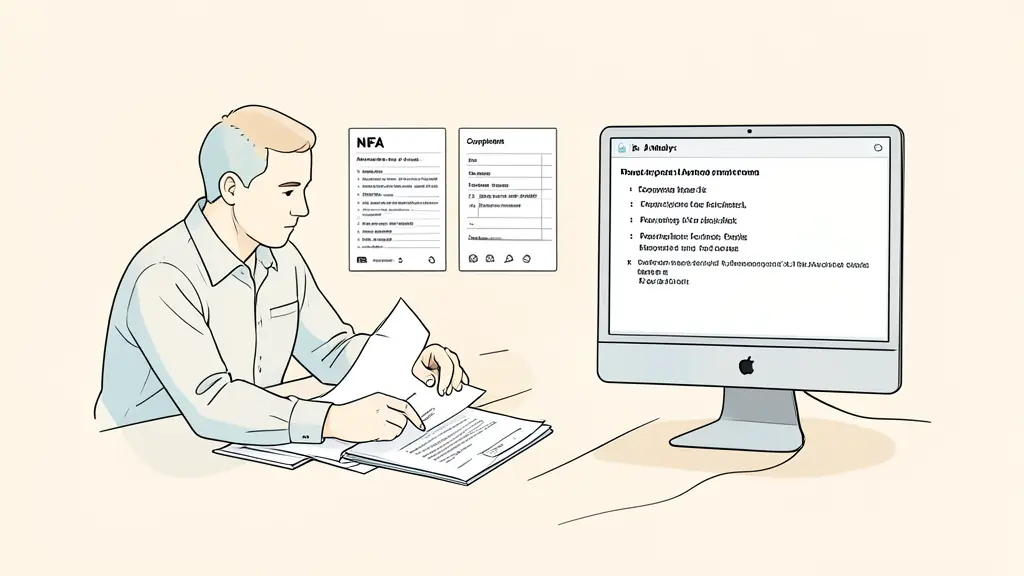
For US regulatory context, review the CFTC’s 2026 registration guidance and search the relevant names in NFA BASIC records, accessed in 2026. Consult the CME Group Rulebook (2026) when exchange-related conduct or market-access claims are relevant. Registration may or may not be required depending on what the company actually does, so a missing record is a question to investigate, not automatic proof of fraud. Likewise, registration alone does not establish fair pricing, sound finances, or reliable payouts.
How should payout restrictions affect your final choice?
Compare prop firm payout rules as carefully as drawdown limits. Check:
- Minimum profitable or active trading days
- Consistency thresholds applied before withdrawal
- Request windows and processing conditions
- Per-request and lifetime payout caps
- Required account reserves
- Trader and firm profit split percentages
- Conduct that permits withholding or account closure
- Whether a withdrawal lowers the balance without lowering the drawdown threshold
That final point can sharply reduce post-withdrawal risk capacity. Model the account immediately before and after a proposed withdrawal, then calculate the remaining distance to every failure threshold.
Use a risk-first decision process: reject unclear contracts, estimate the worst plausible participation cost, compare usable drawdown per dollar spent, verify payout access, and size trades against the strictest applicable limit. If financial suitability or contract interpretation is uncertain, consult a certified financial advisor or legal professional.
This content is for informational purposes only and does not constitute financial, legal, or professional advice. It is not a substitute for a professional consultation.
This article does not replace advice from a qualified professional: consult a specialist about your own situation.
FAQ
How do futures prop trading firms make money?
Business models vary. Common revenue sources include evaluation fees, resets, activation charges, platform or market data fees, and a share of trader profits. Review the firm’s current disclosures rather than assuming every provider operates the same way.
Do traders receive a live brokerage account after passing?
Not always. Some firms initially place qualified traders in simulated accounts and may move selected traders to live execution later. The agreement should state the account type, execution model, and conditions for any transition.
What rule causes the most evaluation failures?
Drawdown violations are a major risk, particularly when the threshold trails peak balance or unrealized gains. Traders should calculate the effective loss allowance before entering each position.
Are futures prop firms regulated by the CFTC or NFA?
The answer depends on the activities performed and the legal entities involved. A firm offering simulated evaluations is not automatically equivalent to an NFA registered futures broker. Check CFTC and NFA records, and consult a qualified legal professional when a firm’s regulatory obligations are unclear.
Can payout screenshots prove that a firm is reliable?
No. Screenshots can support a broader review, but they do not establish solvency, consistent payment, or authenticity by themselves. Look for independently verifiable payment histories, clear contracts, and repeated evidence from unrelated traders.
Envie d'aller plus loin ?
Laisse ton email, on te prévient dès qu'un nouvel article sort.