Trade Ideas Reviews: The AI Signal Audit, Real Costs and Suitability Verdict
To evaluate Trade Ideas, analyze its scanning logic, audit the AI signal reliability, compare the subscription plans, and verify if it fits your trader profile.
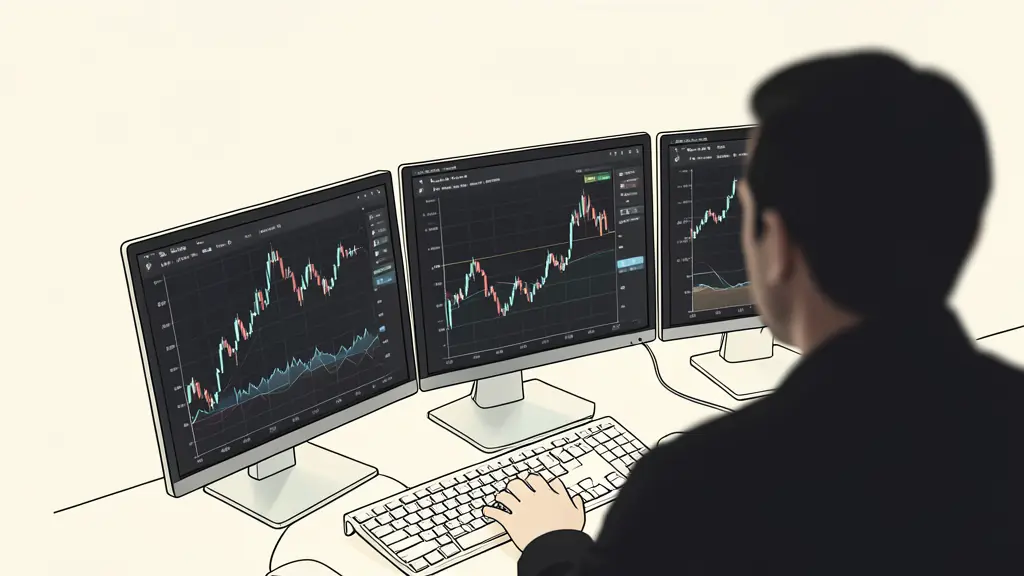
Trade Ideas can look attractive as a professional edge for active traders, but it often functions as an overpriced complexity trap for those without a rigid system. While many trade ideas reviews highlight the speed of AI-powered signals, the reality involves a steep learning curve and the risk of signal crowding. You must audit the platform’s technical requirements and your own capacity for complex data before committing to a premium subscription.
What Trade Ideas Truly Covers
Trade Ideas is a professional stock discovery and analysis suite designed to remove the guesswork from active trading. Instead of manually hunting for patterns across thousands of charts, the platform utilizes algorithmic filtering to surface specific intraday opportunities. This shift from manual observation to automated screening allows traders to focus on execution rather than discovery.
The core scanning engine / The role of real-time market data
The platform operates as a high-speed market scanner that processes vast amounts of data to identify stocks meeting specific criteria. By integrating Holly AI signals, the system can suggest entries and exits based on statistical probabilities. The effectiveness of these tools depends entirely on the data feed, as delayed market data can render a fast-moving intraday signal obsolete before a retail trader can react.
The operational Logic: How the AI and Scanners Work
The technical machinery of the platform separates deterministic scanning from predictive AI. A scanner follows a set of “if-then” rules, such as identifying unusual options volume or specific price action. In contrast, the AI analyzes historical patterns to predict future movement, attempting to find a statistical edge that human eyes would miss during a live session.
Holly AI and The Money Machine / The logic behind the 50+ AI strategies / Backtesting and validation
Holly AI serves as the predictive engine, while The Money Machine focuses on the mechanical execution of nearly 50 AI-generated trading strategies. These strategies are not static; they undergo constant AI optimization via machine learning to adapt to changing market volatility. To ensure these signals hold weight, users can validate your strategy through backtesting to see how a specific setup performed under previous market conditions. This process turns a raw AI stock scanner into a verified tool for risk management.
Real Performance Advantages and Critical Limits
The primary advantage is the elimination of emotional bias and the drastic reduction in manual scanning time. By automating the discovery process, traders can monitor multiple watchlists and heatmaps simultaneously. However, this objectivity comes with a cost: the “crowded trade” phenomenon. When a large community of users receives the same AI signal, the resulting surge in buy orders can lead to slippage and poor execution quality.
The efficiency of automated discovery / The reality of signal reliability
While a 15% portfolio increase over five months or a 25% return on a single options trade is possible, these results are not guaranteed. The reliability of a signal depends on the trader’s ability to filter out false positives. Integrating professional scanning workflows is necessary to avoid blindly following a signal into a low-liquidity trap. Furthermore, Trade Ideas pricing reflects the professional nature of the tool, making it a significant overhead for traders with small accounts.
Comparing Plans and Trade Ideas Reviews Verdict
The platform’s cost structure is tiered based on data speed and AI access. The free version is primarily a gateway, providing delayed data that is unsuitable for day trading but useful for learning the interface. Paid tiers unlock the full power of automated trading strategies and real-time execution.
The following table compares the three primary plan structures:
| Plan | Monthly Cost | Key Features | Data Speed |
|---|---|---|---|
| Par Plan | Free | Demo Account | Delayed |
| TI Basic (Birdie) | $127 ($89 annual) | Up to 10 charts | Real-time |
| TI Premium (Eagle) | $254 ($178 annual) | Full AI Access | Real-time |
This pricing structure reveals that the “Birdie” bundle is a mid-tier entry point, while the “Eagle Elite” is the only option for those requiring the full predictive power of Holly AI. Add-ons, such as the $49 Alphatrends AVWAP or the $17 Swing Pick for weekly email ideas, further increase the total cost of ownership.
The Suitability Audit: Who Should Use Trade Ideas?
Suitability depends on the intersection of capital, experience, and time. A retail trader with a small account may find the monthly subscription eats too much of their monthly profit, regardless of the win-loss ratio. For these users, the platform is more of an educational expense than a profit center.
The beginner’s path / The professional’s edge
Beginners should start with the demo account and the Par Plan to flatten the learning curve without risking capital. The complexity of the Scope 360 dashboard and PiP Charts can be overwhelming, requiring significant time in the trading room and tutorials. Conversely, professional day traders benefit from real-time market data and broker integration, allowing for automated execution that minimizes the gap between signal generation and trade entry.
- Verify your broker’s compatibility for automated execution.
- Audit the data-feed latency during peak market volatility.
- Confirm the cancellation and billing conditions in the Terms of Service.
- Test the “Smart Risk Levels” in a demo environment before going live.
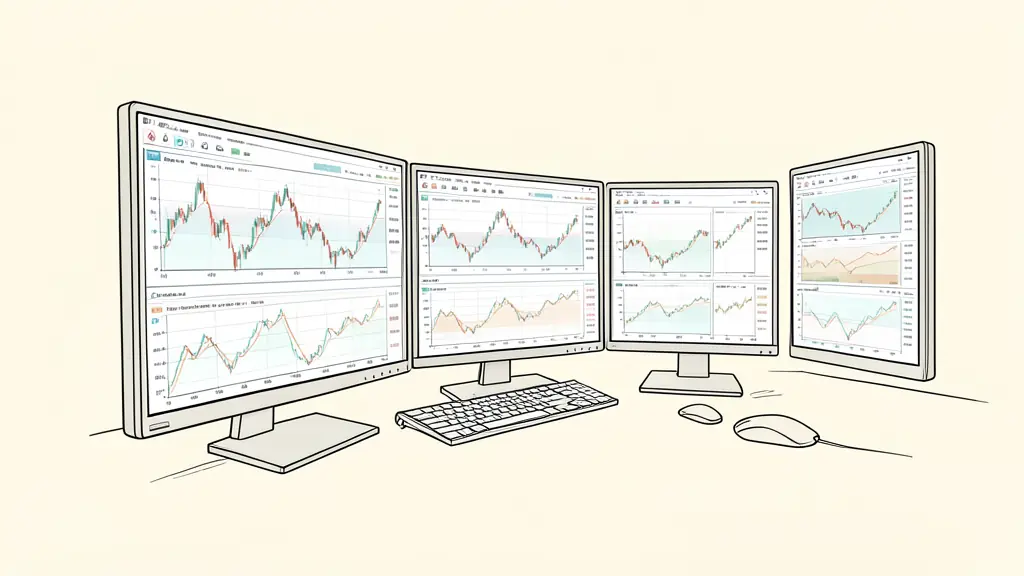
The right reflex is not to ask if the AI is accurate, but whether your account size can sustain the subscription cost while managing the inherent risks of crowded trades.
Risk warning. Trading involves a risk of losing capital. Prop firm challenges are paid and passing them is not guaranteed. This content is for information only and is not investment advice.
Want to go further?
Leave your email and we'll let you know when a new article is out.