Propichain: The Real Estate Tokenization Guide, Tech Stack and Investment Reality
To understand Propichain, define its role in RWA tokenization, analyze its AI and blockchain tech stack, compare it to traditional real estate, and audit its suitability.
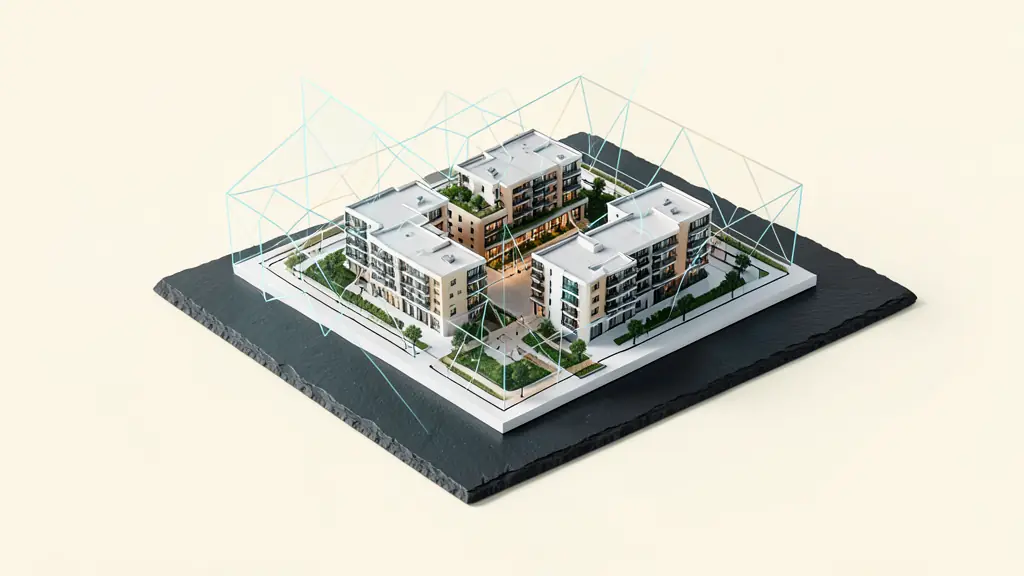
Propichain is a real estate tokenization infrastructure designed to digitize physical property assets into liquid digital tokens. While it aims to democratize property ownership, the transition from physical deeds to blockchain entries introduces specific risks regarding asset liquidity and legal enforcement. Investors must audit regulatory compliance and verify the underlying asset backing before committing capital to this model.
Defining the Ecosystem: What Propichain Actually Covers
Propichain functions as an infrastructure layer rather than a standalone cryptocurrency. It provides the technical framework necessary to convert physical properties into digital tokens, addressing the chronic lack of liquidity and high entry barriers found in traditional real estate markets. By acting as a bridge, it allows various stakeholders to interact with property data through a unified, interoperable platform.
Tokenization vs. Standard Crypto / The Role of Real-World Assets (RWA)
Standard cryptocurrencies generally derive value from network utility or speculation, whereas real estate tokenization links a digital token to a tangible, income-generating asset. This process transforms the property into one of the many Real-World Assets (RWA) that can be traded on a blockchain. Unlike volatile coins, the value of these tokens is tied to the appraised value and rental income of the underlying physical real estate.
This shift in asset management is part of a broader trend visible in the PropTech market map, where the goal is to remove intermediaries and reduce the friction associated with property transfers. By digitizing ownership, the platform converts a slow, document-heavy process into a streamlined digital transaction.
The Operational Logic: How Propichain Works
The platform operates by digitizing the legal and financial attributes of a property to create a digital twin on the blockchain. This process involves validating the property’s legal title, assessing its current market value, and establishing a governance structure for how the asset will be managed. Once validated, the property is split into digital shares, enabling users to buy, sell, and manage their holdings without the need for traditional notary-heavy cycles.
The Digitization Process / Smart Contracts and Ownership Management
The transformation of Real-World Assets (RWA) into tokens relies on smart contracts. These self-executing scripts automate the distribution of rental dividends and the transfer of ownership rights. When a user acquires a token, the smart contract records the transaction on the blockchain, providing an immutable ledger of who owns which fraction of the property.
Ownership management is handled through these automated protocols, which eliminate the need for manual bookkeeping. This ensures that dividends are paid out in real-time to token holders based on their percentage of ownership. The result is a system where property management workflows are modernized, reducing the administrative overhead for both the asset manager and the investor.
The Tech Stack: Integrating AI, NFTs, and the Metaverse
The technical architecture of the platform extends beyond basic ledger entries. It integrates a multi-layered stack where blockchain serves as the validation layer, and AI provides the readiness layer for data analysis. This combination allows for a more sophisticated approach to blockchain property management, where data is not just stored but analyzed to optimize investment performance.
AI-Driven Real Estate Intelligence
AI is utilized to process vast amounts of property data, identifying market trends and predicting future value fluctuations. This AI-readiness ensures that the platform can provide investors with data-backed insights rather than relying on static appraisals. By analyzing regional growth patterns and rental yields, the system helps users make informed decisions about which tokenized assets to hold.
NFT Utility in Property Titling
NFT technology is employed to represent the unique characteristics of each property. Since no two pieces of real estate are identical, NFTs serve as the ideal vehicle for property titling. Each NFT contains the specific metadata of the asset, including its legal description, location, and historical performance, ensuring that the digital representation is a precise mirror of the physical asset.
Metaverse Integration
The integration of the metaverse provides a virtual layer for property management and visualization. Investors can explore tokenized properties in a 3D environment, allowing for remote auditing and virtual tours of the assets they own. This removes the geographical constraints of real estate investing, enabling a global audience to interact with physical properties through a digital interface.
Comparing Value Propositions and Market Limits
The primary advantage of this model is the introduction of fractional real estate ownership, which allows investors to diversify their portfolios across multiple properties with relatively small amounts of capital. This increases transparency and efficiency by replacing opaque manual processes with a public, verifiable blockchain. However, these benefits are countered by regulatory hurdles, as property laws vary significantly by jurisdiction.
The reliability of the system also depends on “oracles” (data feeds) that provide the blockchain with real-world price updates. If the data feed is inaccurate, the token price may decouple from the actual asset value. Furthermore, while the tokens are more liquid than physical deeds, they are still subject to the volatility of the broader crypto-economic environment.
The following table compares the traditional investment model with the tokenized approach:
| Feature | Traditional Real Estate | Propichain Tokenization |
|---|---|---|
| Entry Barrier | High Capital Required | Low (Fractional) |
| Liquidity | Low (Months to Sell) | High (Digital Market) |
| Management | Manual / Intermediaries | Automated Smart Contracts |
| Transparency | Fragmented Records | Immutable Ledger |
This comparison shows that while the tokenized model solves the accessibility and speed issues of traditional real estate, it shifts the risk from administrative delays to technical and regulatory dependencies.
The Feasibility Audit: Who Should Use Propichain?
The platform serves different needs depending on the user profile. For retail investors, the primary draw is the ability to enter the real estate market without needing millions in capital. It is a tool for those seeking passive income through rental yields who prefer the liquidity of a digital asset over the burden of physical property management.
Retail Investor Suitability
Retail users should approach the platform as a diversification tool. The suitability depends on the investor’s risk tolerance for blockchain-based assets. Because the model allows for smaller ticket sizes, it is ideal for those who want exposure to various geographic markets without the legal complexity of owning property in multiple countries.
Institutional and Developer Use Cases
For institutional asset managers and lenders, the platform offers a way to modernize legacy workflows. Institutions can use the infrastructure to tokenize large portfolios, making it easier to distribute assets among a wider range of investors. Developers can leverage the system to raise capital for new projects by offering tokens to a global pool of funders, bypassing some of the constraints of traditional bank lending.
- Verify the legal link between the digital token and the physical property deed in the local jurisdiction.
- Audit the smart contract code for security vulnerabilities and dividend distribution logic.
- Confirm the identity and reputation of the asset manager overseeing the physical property.
- Review the terms of service regarding liquidity exits and the process for redeeming tokens.
The right reflex is not to ask if the technology works, but to verify if the legal framework protecting the underlying asset is ironclad.
Risk warning. Trading involves a risk of losing capital. Prop firm challenges are paid and passing them is not guaranteed. This content is for information only and is not investment advice.
Want to go further?
Leave your email and we'll let you know when a new article is out.