Cheap Prop Firm Accounts: 7 Costs Before You Buy
Compare evaluation fees, resets, drawdown limits, and payout rules to identify an affordable prop firm without falling for a false bargain.

A low sticker price does not make an account cheap. The best value comes from a fee structure you can sustain, loss limits that fit your strategy, and payout terms you can satisfy without changing how you trade.
Pas le temps de lire ?
- The lowest evaluation price does not necessarily produce the lowest total cost.
- Include reset charges, activation fees, platform costs, market data, and withdrawal conditions in every comparison.
- A restrictive drawdown or consistency rule can outweigh a modest discount.
- Prices and rules can change, so verify every figure at checkout and save a dated copy of the terms.
- Choose the account whose rules fit your normal strategy, not simply the account with the largest advertised discount.
What makes an inexpensive prop firm account genuinely affordable?
A cheap prop firm is genuinely affordable only when its complete cost and trading restrictions fit your plan. The advertised evaluation price is merely the entry point.
Calculate the all-in cost across seven categories:
- Initial evaluation fee
- Reset or retry fees
- Recurring subscription or renewal charges
- Funded-account activation fee
- Platform access fee
- Market data fee
- Withdrawal or payout-related charges
A low cost prop firm should also let you trade your normal setup within its drawdown, holding, and payout rules. Current charges remain unknown until you verify them on the firm’s official checkout page and current terms.
Which low-priced accounts offer the strongest value?
No firm can be ranked responsibly from price alone. A valid shortlist needs current information from official pricing and rule pages, not affiliate roundups or an isolated promotional price.
2026 verification standard: Record every charge and material trading rule from official firm pages on the day of comparison.
The candidates and current amounts were not provided here, so naming a cheapest prop firm challenge would require unsupported claims. Use this comparison structure instead:
| Model | Account size | Evaluation structure | Profit target | Maximum loss | Recurring charges | Activation cost | Payout conditions | Date checked |
|---|---|---|---|---|---|---|---|---|
| Futures candidate | Verify | Verify | Verify | Verify calculation method | Verify | Verify | Verify threshold, timing, and limits | 2026 |
| FX or CFD candidate | Verify | Verify | Verify | Verify calculation method | Verify | Verify | Verify threshold, timing, and limits | 2026 |
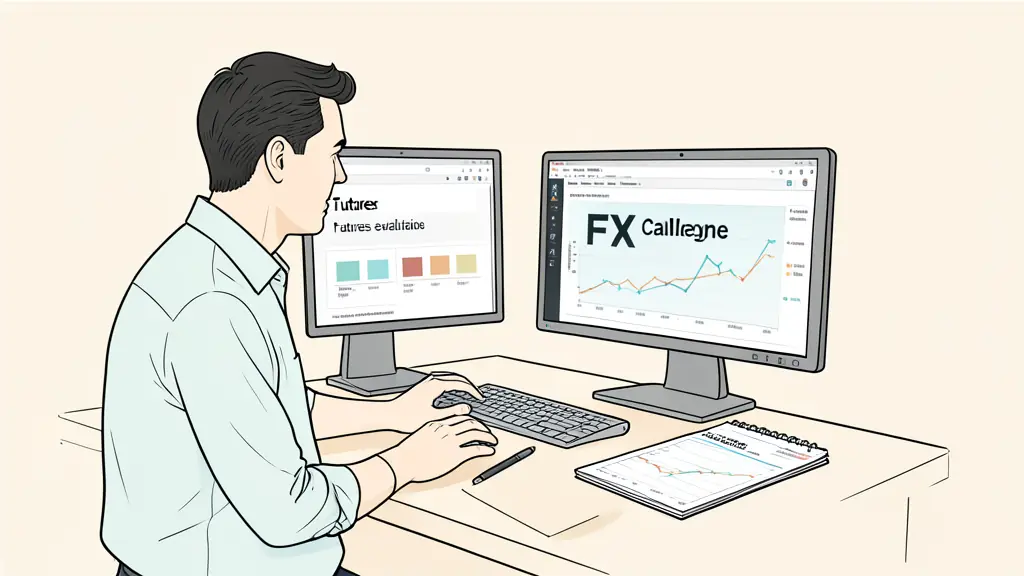
Keep futures and FX or CFD models in separate rows because their platforms, data costs, loss calculations, and payout structures may differ. You can also compare leading futures prop firm accounts before building your shortlist.
How much can resets and recurring charges raise the real price?
The advertised cheapest prop firm challenge can become expensive after one failed attempt or a delayed qualification. Include:
- One initial evaluation
- One reset
- Monthly renewals during the delay
- Activation after qualification
- Platform and market data access
- Any withdrawal-related charge
Use a simple calculation:
All-in cost = evaluation + one reset + recurring charges for the qualification period + activation + platform + data + withdrawal charges
For example, if qualification takes n billing periods, multiply the recurring monthly charge by n. This is a budgeting formula, not a prediction that a trader will pass. Compare the resulting total with your realistic monthly risk budget before paying any prop firm fees.
Which trading rules can turn a discount into a bad deal?
The usable value of a funded trading account depends on how much strategic freedom remains after its rules are applied.
2026 rule check: Drawdown definitions must be confirmed in each firm’s current terms before purchase.
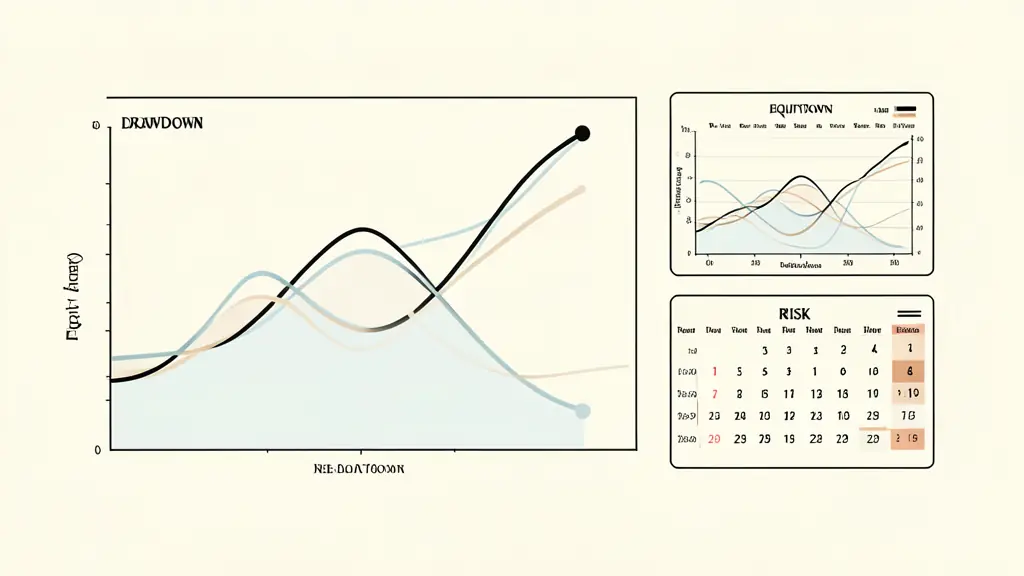
| Loss-limit structure | Reference point | Practical effect |
|---|---|---|
| Static | Fixed threshold | The loss floor normally remains unchanged |
| Balance-based trailing | Closed account balance | The floor may rise after realized gains |
| Equity-based trailing | Intraday or real-time equity | Open profits may raise the floor, reducing room if they reverse |
Confirm the exact language because firms may calculate these structures differently. Also inspect:
- Minimum trading days
- Daily and overall loss limits
- Consistency limits on profit concentration
- News-event restrictions
- Overnight and weekend holding policies
- Minimum profit or balance required for payout
- Rules covering automated systems, copying, and prohibited strategies
A small fee does not compensate for rules that invalidate your normal holding period or position management. For an example of the review process, review FundedNext rules and account conditions.
How can you check a firm’s legitimacy before paying?
Low prop firm fees do not prove trustworthiness. Examine the operator, contract, and complaint history before entering payment details.
CFTC guidance recommends checking registration status and disciplinary history. Source: Commodity Futures Trading Commission, publication year not provided, accessed 2026.
Use this red-flag checklist:
- The legal entity is missing or inconsistent across the website and contract.
- Physical contact details cannot be verified.
- Contract language gives the firm broad power to deny payouts without objective criteria.
- The platform provider or execution arrangement is unclear.
- Payout evidence cannot be connected to identifiable terms and dates.
- Complaints show a repeated pattern rather than isolated dissatisfaction.
- Rules change without notice, version history, or account-holder protection.
- Support cannot explain the prop firm drawdown rules in writing.
The NFA BASIC database, accessed in 2026, can be used to review relevant registration and disciplinary information. Registration requirements depend on the firm’s activities, so absence from a database is not, by itself, proof of misconduct. Complete the pre-purchase futures firm checks, and consult a legal professional when the operator’s status or contract is unclear.
Which account structure best matches your trading style?
Select a funded trading account by matching its structure to behavior you already execute consistently:
- Holding period: scalping, intraday, overnight, or multi-day
- Instrument: futures, FX, indices, commodities, or other permitted markets
- Drawdown tolerance: static versus balance-based or equity-based trailing
- Trade frequency: enough valid setups to meet any activity requirement
- Monthly budget: evaluation, renewals, data, platform, and potential resets
- Payout objective: timing and thresholds compatible with your normal performance distribution
Reject an account if passing would require larger positions, forced trades, unfamiliar markets, or a new holding style merely to satisfy its target or deadline.
What should you verify immediately before checkout?
Complete this seven-point procedure immediately before payment:
- Reopen the official terms rather than relying on saved summaries.
- Confirm every evaluation, reset, recurring, activation, platform, data, and withdrawal charge.
- Identify exactly how daily and maximum drawdown are calculated.
- Review prohibited strategies, instruments, holding periods, and news restrictions.
- Inspect payout eligibility, timing, thresholds, consistency conditions, and denial clauses.
- Save dated screenshots of the checkout page, rules, and payout policy.
- Ask support a rule-specific question and retain the written response.
Do not pay if the answer conflicts with the contract or remains ambiguous. Consult a certified financial advisor or legal professional when the financial exposure or contractual terms are unclear.
This content is for informational purposes only and does not constitute financial, legal, or professional advice. It is not a substitute for a professional consultation.
This article does not replace advice from a qualified professional: consult a specialist about your own situation.
FAQ
What is the cheapest type of prop firm account?
Small evaluation accounts usually have the lowest entry price, but activation, reset, data, and platform charges can make their total cost higher. Compare the complete path to funding rather than the initial fee alone.
Are cheap prop firms legitimate?
Price alone does not establish legitimacy. Review the legal entity, official terms, operating history, payout conditions, customer support, and any applicable registration records before paying.
Should I choose a one-step or two-step evaluation?
Choose according to your strategy and risk limits. A one-step evaluation may reduce the time to funding, while a two-step model may offer less demanding targets or different drawdown conditions.
Can a prop firm change its rules after I purchase an account?
The firm’s contract controls whether and how terms may change. Save the rules and receipt shown at purchase, monitor policy updates, and seek legal advice if a material dispute arises.
Envie d'aller plus loin ?
Laisse ton email, on te prévient dès qu'un nouvel article sort.