Kraken or Robinhood for Day Trading: Which Platform Actually Scales?
Don't be fooled by 'zero commission.' We analyze Kraken and Robinhood through the lens of a day trader to uncover the real cost of execution.
Choosing between kraken or robinhood for day trading comes down to a fundamental trade-off: professional-grade execution versus multi-asset simplicity. While Robinhood excels at onboarding casual investors, Kraken Pro provides the liquidity and precision tools required for high-frequency strategies. This audit strips away the marketing to determine which platform actually scales with your trading volume.
No time to read?
- Kraken Pro is superior for high-frequency trading due to transparent maker-taker fees and deep liquidity.
- Robinhood’s ‘zero commission’ is offset by spreads, which can be more expensive for active traders.
- Advanced order types (Stop-Loss, Take-Profit) are essential for day trading and are more robust on Kraken.
- Robinhood is the optimal choice for traders who want to manage stocks and crypto in one simple interface.
The Verdict: Which Platform Wins for Active Day Trading?
For the serious day trader, Kraken Pro is the clear winner. The platform is built for active trading, offering deep order-book depth, a comprehensive suite of conditional orders, and a transparent fee structure that rewards volume. When you scale your capital, Kraken Pro fees become a competitive advantage, allowing for tighter margins and more efficient scalping.
Robinhood, conversely, is designed for the multi-asset investor who prioritizes a streamlined user experience over technical precision. It is an excellent tool for those managing a portfolio of stocks, ETFs, and crypto in one place, but it lacks the “engine” necessary for professional day trading. The core trade-off is simple: choose Kraken for professional tools and execution quality, or Robinhood for effortless onboarding and a simplified interface.
Trading Fees vs. Spreads: The Hidden Cost of ‘Zero Commission’
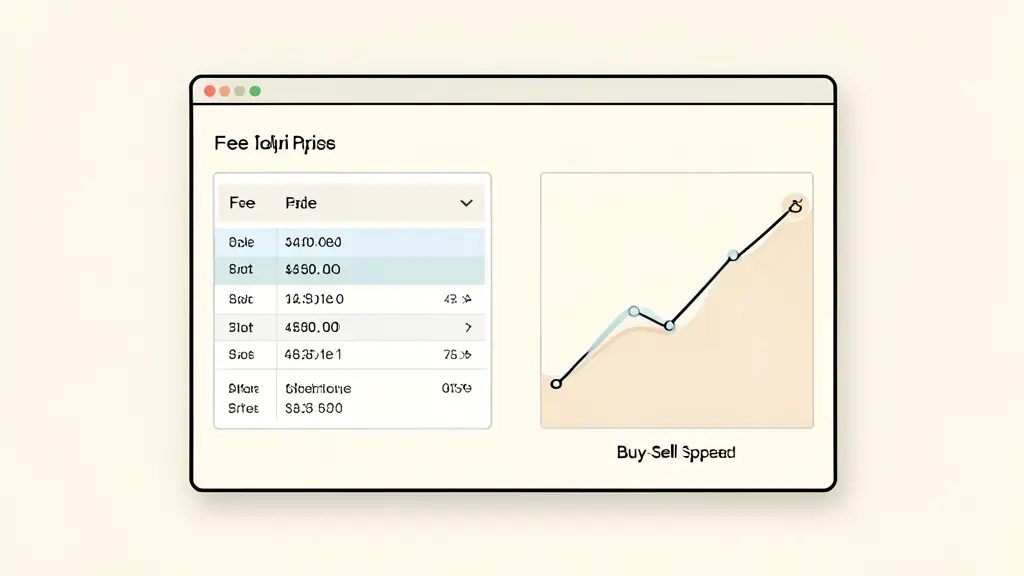
The “zero commission” marketing used by Robinhood is a psychological lure that masks the effective trading cost. While you won’t see a line item for a commission fee, the cost is embedded in Robinhood crypto spreads. In this model, the platform earns by offering a slightly higher price on buys and a lower price on sells. For a low-volume investor, this is negligible, but for a day trader executing dozens of trades per day, these spreads act as a silent tax that erodes profitability.
Kraken utilizes a maker-taker model, which is the industry standard for professional exchanges. “Makers” provide liquidity to the order book and often pay lower fees (or even receive rebates), while “Takers” remove liquidity. This transparency allows active traders to calculate their exact costs before entering a position.
Kraken standard-interface fees are cited as up to 1% or approximately 1.5% for smaller orders.
| Feature | Kraken Pro | Robinhood |
|---|---|---|
| Pricing Model | Maker-Taker | Spread-based |
| Pro Fee Tiers | 0-0.4% (Volume dependent) | Zero Commission |
| Low-Volume Cost | Up to 1.5% (Standard) | Embedded in Spread |
| High-Volume Cost | Below 0.25% | Variable Spread |
| Monthly Subscription | Kraken+ ($4.99/mo) | Robinhood Gold |
For a trader moving $100,000 in monthly volume, the difference is stark. On Robinhood, the lack of control over the spread can lead to significant slippage. On Kraken Pro, a high-volume trader can optimize their execution to stay within the lowest fee tiers, making it the only viable option for those who prioritize the bottom line.
Execution Quality, Liquidity, and Order Types
Execution quality is where the divide between these crypto day trading platforms becomes a chasm. Day trading requires the ability to enter and exit positions at precise price points to maintain a positive risk-to-reward ratio.
Kraken Pro provides full access to the order book, allowing traders to see the depth of market liquidity. This is critical for avoiding slippage (the difference between the expected price of a trade and the price at which the trade is actually executed) during periods of high volatility. Furthermore, Kraken Pro supports a comprehensive range of order types:
* Limit Orders: Execute only at a specific price or better.
* Stop Orders: Trigger a market order once a specific price level is hit to limit losses.
* Stop-Limit Orders: Trigger a limit order once a price level is hit, preventing execution at an unfavorable price during a flash crash.
* Conditional Orders: Complex triggers based on specific market movements.
Robinhood’s lack of advanced conditional orders is a significant risk. Without the ability to set sophisticated stop-losses or take-profit levels, a day trader is forced to monitor the screen constantly, increasing the likelihood of emotional errors and catastrophic drawdowns. In a fast-moving market, the inability to automate your exit strategy is a liability that professional traders cannot afford.
Asset Selection and Market Depth
Liquidity is the lifeblood of day trading. Without deep market depth, large orders will move the market against the trader, resulting in poor execution. When comparing maker-taker fees vs spreads, the underlying liquidity of the asset pair is what determines the actual cost of the trade.
Kraken offers a massive selection of assets, cited as having between 200+ and 500+ cryptocurrencies. This breadth allows traders to pivot quickly to trending altcoins and utilize a wide variety of trading pairs. Because Kraken is a primary liquidity hub, its order books for major assets like Bitcoin, Ethereum, and Solana are deep, ensuring that even relatively large market orders are filled with minimal slippage.
Robinhood’s selection is significantly more limited, cited as having between 20+ and approximately 65 cryptocurrencies. While this covers the most popular assets, it restricts the trader’s ability to diversify or capitalize on low-cap volatility. For a scalper, the limited selection on Robinhood means fewer opportunities and higher competition for the same few liquid assets.
- Kraken: 200+ to 500+ assets, deep liquidity across numerous trading pairs, suitable for altcoin strategies.
- Robinhood: 20+ to 65 assets, focused on major coins, limited pair variety.
Security, Self-Custody, and Withdrawals
Both platforms employ industry-standard security, including cold storage for the majority of assets and 2FA (meaning two-factor authentication) to prevent account takeover. However, the approach to custody is where they diverge.
Kraken is built for the “self-custody” ethos. It allows for seamless crypto withdrawals to non-custodial wallets, enabling traders to move their assets off-exchange to eliminate counterparty risk. Kraken also provides proof of reserves, offering a layer of transparency regarding the assets they hold on behalf of users.
Robinhood only added crypto withdrawals in 2022. While it now supports some assets, the process is more restrictive than Kraken’s. A critical distinction exists regarding cash: eligible USD cash at Robinhood may be FDIC (meaning Federal Deposit Insurance Corporation) insured up to $250,000. It is imperative to understand that this insurance applies only to the fiat currency, not to the crypto assets, which carry inherent custody risk.
Kraken reached a $30 million SEC settlement related to staking in 2023.
Whether you are seeking staking rewards (where Kraken offers 20+ assets compared to Robinhood’s ETH and SOL) or looking to secure your funds in a hardware wallet, Kraken provides the infrastructure for professional asset management.
Eligible USD cash at Robinhood may be FDIC-insured up to $250,000.
An active crypto liquidity comparison shows that while Robinhood is a safe place for a “buy and hold” investor, the professional trader requires the ability to move capital rapidly between different ecosystems, a task for which Kraken is better suited.
User Experience: Professional Interface vs. Simplified App
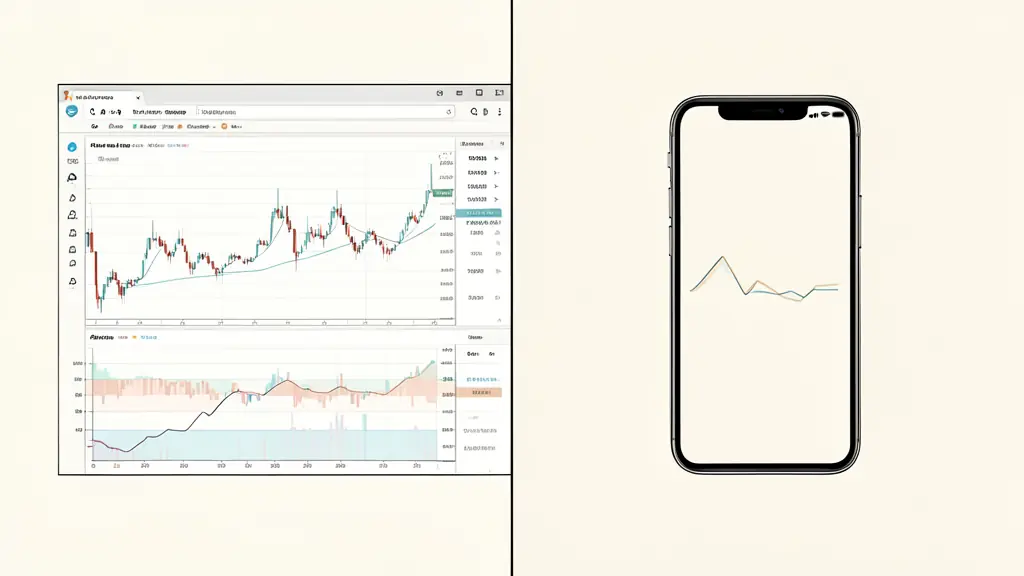
The user experience (UX) of these platforms targets two entirely different psychological profiles. Robinhood’s interface is a masterpiece of simplification. Its mobile-first design removes all friction, making it accessible to anyone who can navigate a smartphone. However, for a day trader, this simplicity is a hindrance. The lack of advanced charting and the absence of an order book mean the user is trading “blind,” relying on the platform’s provided price rather than analyzing market depth.
Kraken Pro is designed for those who view trading as a profession. It features advanced charting tools, real-time depth charts, and API access for those using algorithmic trading bots. The learning curve is steeper, but the payoff is total control over the trading environment.
A trader is “overqualified” for Robinhood when they begin to ask for specific order types, need to analyze the bid-ask spread in real-time, or require API integration to scale their strategy. Conversely, a complete novice may find the Kraken Pro interface overwhelming. But for the target audience of this audit, the “complexity” of Kraken is actually the functionality required to survive in the markets.
Final Decision Matrix: Which One Fits Your Profile?
To make the final decision, identify which trader persona aligns with your current goals and risk tolerance.
- The Scalper: Choose Kraken. The combination of low Kraken Pro fees, deep liquidity, and limit order precision is mandatory for high-frequency trading.
- The Multi-Asset Investor: Choose Robinhood. If you want to manage your stock portfolio and a few major crypto holdings in one single app, the convenience outweighs the technical limitations.
- The Self-Custody Advocate: Choose Kraken. The superior support for external wallets and a history of supporting non-custodial movements make it the safer bet for those who don’t trust centralized exchanges.
- The Absolute Beginner: Choose Robinhood. The zero-commission lure and simplified UI provide a low-stress entry point into the market before transitioning to professional tools.
Regardless of the platform, both provide transaction histories and support for IRS Form 1099-DA, ensuring that your tax reporting is handled correctly at the end of the year.
Disclaimer: This content is for informational purposes only and does not constitute financial, legal, or professional advice. It is not a substitute for a professional consultation.
This article does not replace advice from a qualified professional: consult a specialist about your own situation.
FAQ
Can you actually day trade crypto on Robinhood?
Yes, you can buy and sell crypto frequently on Robinhood. However, the lack of advanced charting and complex order types makes it more suited for swing trading than high-frequency day trading.
How do I reduce slippage during volatile markets?
Use limit orders instead of market orders to control your entry and exit prices. Platforms with deeper order books, like Kraken Pro, generally offer better protection against slippage.
Is Kraken Pro too complex for beginners?
It has a steeper learning curve than Robinhood, but it is essential for anyone wanting to learn professional risk management. Beginners can start with the standard Kraken interface before moving to Pro.
Want to go further?
Leave your email and we'll let you know when a new article is out.