MULN Stock: The Rebrand, Ticker Changes and the Reality of Trading Mullen Automotive
To trade MULN stock, start by understanding the company profile, analyze live price statistics, audit the recent rebrand, and evaluate the volatility risks.

Trading muln stock offers a high-risk, high-reward proposition driven by extreme volatility and frequent corporate restructuring. While the potential for rapid price swings attracts retail traders, the asset remains a speculative play within the capital-intensive electric vehicle sector. Investors must audit the latest ticker changes and regulatory filings before executing any trade to avoid capital erosion.
Defining the Asset: What is MULN Stock?
Mullen Automotive operates as a manufacturer in the electric vehicle (EV) space, focusing specifically on the commercial vehicle industry. The company targets various segments, including Class 1, 3, and 4 vehicles, aiming to capture a share of the logistics and delivery market. This focus on commercial utility, rather than consumer passenger cars, defines its business model and revenue potential.
Company Profile / The EV Commercial Market
The asset has recently undergone a significant strategic shift, rebranding as Bollinger Innovations. This move aims to centralize commercial vehicle operations and consolidate sales, marketing, and service under a single corporate identity. By merging these operations, the company intends to streamline its go-to-market strategy and reduce the overhead associated with fragmented brand management.
Retail interest in this stock remains high due to the speculative nature of the EV sector. Traders often flock to the ticker during periods of high volume, betting on a successful turnaround or a sudden catalyst. However, the company faces intense pressure from the removal of the $7,500 EV tax credit, which has dampened broader demand for electric commercial fleets.
Live Market Snapshot and Key Statistics
A current stock snapshot reveals a profile characterized by extreme price fluctuations and a negative earnings profile. When analyzing key statistics, traders must look beyond the nominal price to evaluate the market cap and the price-to-earnings ratio, though the latter is often skewed by the lack of consistent profitability. The 52-week range provides a necessary baseline for understanding the stock’s historical volatility.
Price Performance / Liquidity Analysis
Liquidity remains a primary concern for those trading the asset. While high volume is present during standard hours, liquidity often drops significantly during extended-hours trading. This gap can lead to slippage, where the executed price differs substantially from the expected quote, increasing the risk for those using market orders.
To maintain its listing on the Nasdaq Capital Market, the company has frequently employed the reverse stock split. This mechanism is used to artificially inflate the share price to meet the minimum bid price requirement. While this prevents immediate delisting, it does not improve the underlying fundamentals and often leads to further dilution for long-term shareholders.
The Catalyst Audit: Rebranding and Corporate Actions
The transition from Mullen Automotive to Bollinger Innovations is more than a cosmetic change. This rebrand is coupled with a ticker symbol update, moving from MULN to BINI. For the trader, this means the asset is now identified under a new label in brokerage dashboards, although the CUSIP number remains unchanged, meaning no direct shareholder action is required to maintain existing positions.
The Rebrand Logic / Reverse Split Impact
The corporate restructuring is designed to support annual savings through job cuts and the centralization of operations. By streamlining the organizational chart, the company hopes to lower its burn rate and extend its operational runway. However, the effectiveness of these cuts remains to be seen in the quarterly earnings reports.
The company executed a ticker change from MULN to BINI as part of its rebrand to Bollinger Innovations.
The use of reverse splits to satisfy Nasdaq requirements creates a cycle of price consolidation. When a reverse split occurs, the number of shares decreases while the price per share increases proportionally. This process is a defensive measure to avoid the “penny stock” designation and the associated regulatory risks of the Nasdaq Capital Market.
Many traders monitor pre-market trading to gauge the immediate impact of these corporate announcements. Because the stock is highly sensitive to news, the pre-market session often dictates the direction of the opening bell, reflecting early-session liquidity conditions and investor sentiment regarding the latest restructuring efforts.
Trading Execution: Access and Pre-Market Dynamics
Executing trades on a volatile asset requires a brokerage that provides robust tools for real-time monitoring. To avoid missing price swings, traders utilize a stock snapshot and key statistics block to track volume and price movement. Access to the pre-market session is particularly valuable, as it allows investors to position themselves before the general public can trade at 9:30 AM ET.
Brokerage Access / Pre-Market Trading
Most modern platforms allow users to buy and sell stocks commission-free, which is a significant advantage for high-frequency traders. However, the EV stock volatility associated with this ticker means that stop-loss orders may be skipped if the price gaps down during extended-hours trading.
The following table compares the primary trading windows available to investors:
| Trading Session | Time (ET) | Liquidity Level | Risk Profile |
|---|---|---|---|
| Pre-Market | 4:00 AM – 9:30 AM | Low to Moderate | High |
| Regular Market | 9:30 AM – 4:00 PM | High | Moderate |
| After-Hours | 4:00 PM – 8:00 PM | Low | High |
To effectively manage a position in this asset, traders should follow these steps:
1. Add the ticker to a watchlist to monitor price history.
2. Analyze the pre-market price summary for early volatility.
3. Use limit orders to avoid slippage during low-liquidity windows.
4. Verify the current bid-ask spread before executing large trades.
The Risk Framework: Decision Factors for Traders
The primary risk for any holder of the BINI ticker is the recurring need for capital. The company’s negative earnings profile and the pressure to meet Nasdaq minimum bid price requirements create a persistent risk of further reverse splits and share dilution. Without a clear path to sustainable profitability, the stock remains dependent on external financing and speculative momentum.
This asset is unsuitable for long-term conservative investors or those seeking stable dividends. It is strictly a speculative tool for day traders who can manage tight risk parameters and who are comfortable with the possibility of total capital loss. The lack of a positive earnings history means there is no fundamental floor to the stock price.
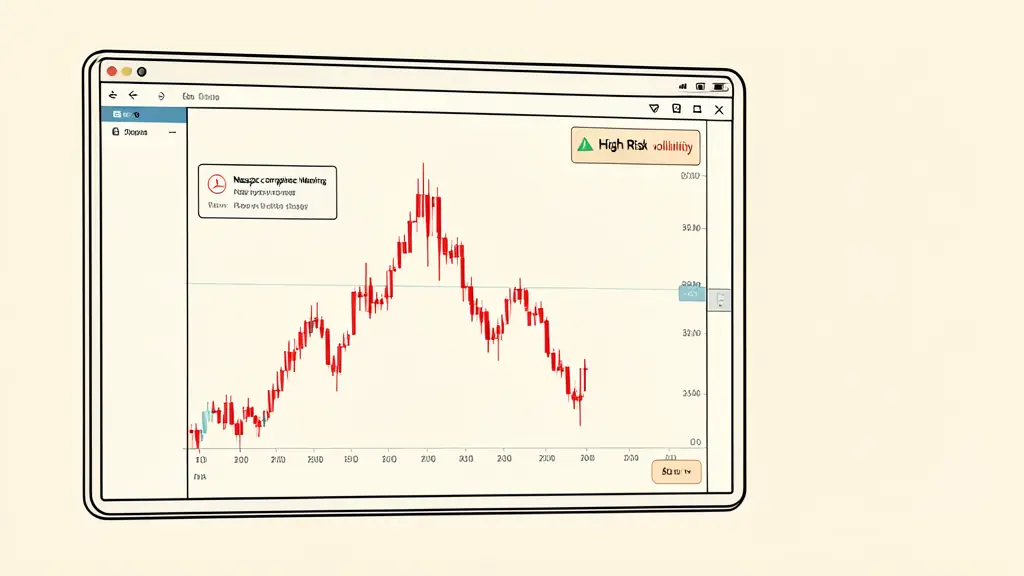
Traders should prioritize the following regulatory checks:
* Review the latest SEC filings for updates on the reverse split ratio.
* Monitor Nasdaq compliance notices regarding the minimum bid price.
* Track the impact of commercial vehicle deliveries on quarterly revenue.
The right reflex is not to ask if the stock can recover, but to ask if the risk of further dilution is acceptable for the potential short-term gain.
Risk warning. Trading involves a risk of losing capital. Prop firm challenges are paid and passing them is not guaranteed. This content is for information only and is not investment advice.
Want to go further?
Leave your email and we'll let you know when a new article is out.