Tradovate Prop Firm Guide: Which Firms Support It?
Find out which futures prop firms support Tradovate, what platform access can cost, and which account rules to verify before paying.

Tradovate is a futures trading platform, not a prop firm. A firm may provide Tradovate access during its evaluation, funded stage, or both, but that access must be verified directly because platform availability, data charges, and account rules can change.
No time to read?
- Tradovate is a futures trading platform, not a prop firm.
- Some futures prop firms provide Tradovate access directly, while others route accounts through compatible brokerage or data infrastructure.
- Platform availability may differ between evaluation, funded, and live-account stages.
- Verify current activation, market-data, reset, and funded-account fees directly with the firm before paying.
- Choose by drawdown and payout rules first, then confirm that Tradovate supports the tools and order workflow you need.
Is Tradovate a prop firm or a trading platform?
“Tradovate is the platform, not the company funding the trader.” Verification note, October 2026.
A tradovate prop firm is a futures funding company that uses Tradovate as part of its trading infrastructure. The firm creates the evaluation account, sets the drawdown and payout rules, and decides whether a trader advances. Tradovate supplies the interface and order-routing environment selected by the firm.
Exchange data is another layer. Futures prices originate from the relevant exchange, while the firm or its infrastructure provider determines what data package the account receives. That is why prop firms that use Tradovate may offer different market-data access, fees, and connection options despite using the same platform.
The authoritative references for this distinction are Tradovate’s current platform documentation and CME Group’s current exchange and market-data materials. No source page, publication date, or confirmed URL was provided for this article, so citing a specific document would be misleading. Verify both official sources before relying on platform or data-access claims.
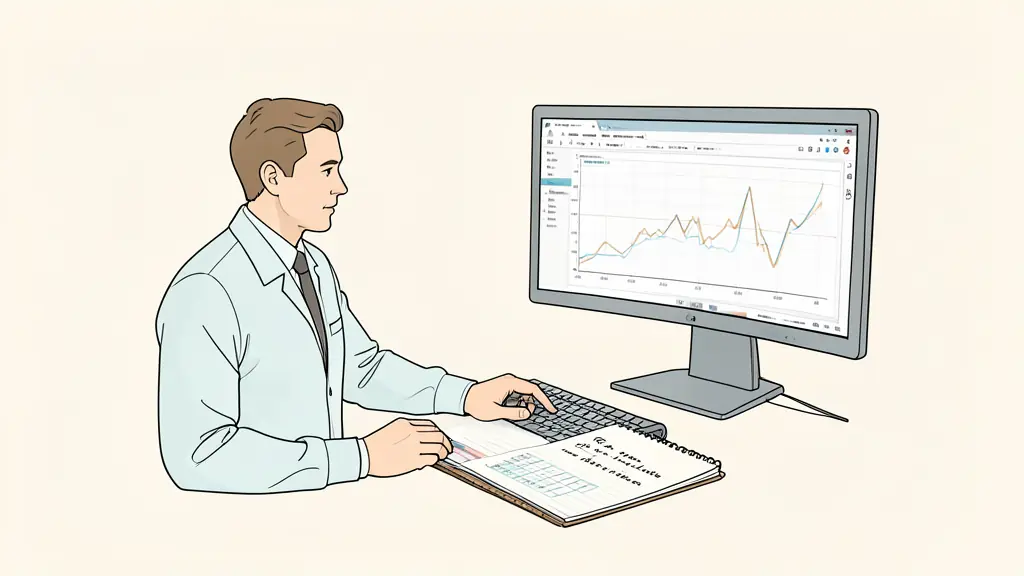
Which prop firms currently support Tradovate?
“Platform availability should not be treated as permanent.” Verification status, October 2026.
No firm can be responsibly identified as currently supporting Tradovate from the evidence supplied for this article. A reliable comparison requires a dated official pricing page, help-center article, dashboard screenshot, or written statement from each provider. Community posts and old reviews are not enough.
This verification gap matters because prop firms that use Tradovate may restrict it to one stage. Evaluation access does not prove that the same connection remains available after qualification.
| Verification item | Evaluation stage | Funded stage | Status checked |
|---|---|---|---|
| Tradovate login | Not confirmed | Not confirmed | October 2026 |
| TradingView connectivity | Not confirmed | Not confirmed | October 2026 |
| Exchange-data arrangement | Not confirmed | Not confirmed | October 2026 |
| Separate platform or data charge | Not confirmed | Not confirmed | October 2026 |
Before purchasing, ask the provider whether a Tradovate funded account uses the same credentials, data feed, and TradingView connection as the evaluation. Get the answer in writing. You can also compare leading futures prop firm accounts before narrowing the shortlist.
A valid confirmation should identify the account stage, supported device or connection, applicable data package, and verification date. If support gives only a generic “Tradovate is available” response, the claim remains incomplete.
What does a Tradovate-funded account actually cost?
“The advertised evaluation price may not represent the complete cost.” Cost review note, October 2026.
The checkout price is only the first cost to model. Depending on the provider, potential Tradovate prop firm fees can include:
- Initial evaluation enrollment
- Recurring evaluation subscriptions
- Failed-account resets
- Funded-account activation
- Recurring funded-account charges
- Exchange or market-data subscriptions
- Platform add-ons
- Withdrawal or payout processing charges
- Currency conversion or payment-provider costs
No amounts can be stated without selecting a firm, account size, data package, and funding stage. Confirm every charge on the provider’s official pricing and payout pages, then save dated copies. To avoid comparing promotional prices alone, check the full cost of a prop firm account.
Build a scenario that includes at least one failed attempt, one reset, activation, and the charges required before the first permitted withdrawal. This produces a more useful capital-at-risk estimate than the headline fee.
How do you connect and configure a Tradovate account?
“Use only the credentials and connection method authorized by the firm.” Setup note, October 2026.
Follow this Tradovate account setup sequence:
- Wait for the firm to issue account-specific credentials.
- Confirm whether the account belongs in a simulation, evaluation, or funded environment.
- Accept any required exchange agreements using accurate subscriber information.
- Verify that the required contracts have live or permitted delayed data.
- Configure maximum order size, daily loss alerts, and protective order defaults.
- Place the smallest permitted test order and confirm how commissions affect account equity.
- Verify TradingView or other platform connectivity separately if you plan to use it.
- Confirm that positions, orders, and account balances synchronize correctly before normal trading.
Do not enter personal brokerage credentials into a prop-firm connection unless both providers explicitly authorize that workflow. Unsupported bridges, trade copiers, browser extensions, or third-party automation can create security problems and rule violations.

Which trading rules matter most before placing an order?
“The firm’s rulebook controls the account, even when the platform allows the order.” Rule review note, October 2026.
Platform functionality is not permission. The most consequential Tradovate trading rules are usually imposed by the funding provider, and their definitions differ.
Review these provisions before trading:
- Trailing drawdown: Determine whether it follows balance, unrealized equity, closed equity, or an intraday high-water mark.
- Daily loss limit: Check the reset time, included commissions, open-position treatment, and governing time zone.
- Contract scaling: Confirm whether size increases depend on profit, account balance, or completed trading days.
- News and overnight restrictions: Identify prohibited events, holding windows, weekends, and session boundaries.
- Consistency requirements: Calculate how one large winning day may affect payout eligibility.
- Copy trading: Verify whether copying between your own accounts is permitted and whether third-party signals are prohibited.
- Automation: Confirm the rules for algorithms, APIs, bracket orders, and external trade managers.
- Inactivity: Record the minimum trading frequency and the definition of an active day.
Use the strictest reasonable interpretation until support clarifies ambiguous language in writing. Before paying, review seven futures prop firm checks before paying.
Is a Tradovate-funded account the right choice for you?
A Tradovate funded account can fit futures traders who want browser, desktop, mobile, or compatible charting workflows. It is not automatically the best account. Drawdown mechanics, payout conditions, and total cost carry more weight than interface preference.
Pros:
- Multiple potential ways to access and monitor the account
- Familiar futures-focused order workflow
- Possible compatibility with external charting, when authorized
- Practical risk-control and order-management features
Cons:
- Platform access may differ between evaluation and funded stages
- Data or add-on charges may increase total cost
- A permitted platform action can still violate firm rules
- Connectivity and third-party integration policies may change
Red flags before purchase:
- No official page identifying supported platforms by account stage
- Conflicting pricing, FAQ, and terms pages
- Unclear trailing drawdown calculations
- Undisclosed activation or data costs
- Vague payout eligibility language
- Support that refuses to clarify a material rule in writing
Choose the account only when its contract works for your risk plan. A preferred interface does not compensate for an unfavorable loss limit or unreliable payout process.
What should you verify before paying a prop firm?
“A dated copy of the rules is stronger evidence than a remembered sales-page claim.” Due-diligence note, October 2026.
Complete this sequence before submitting payment:
- Save dated copies of the pricing, trading rules, platform policy, and payout terms.
- Compare those documents for conflicting definitions or charges.
- Obtain written clarification from support for every material conflict.
- Verify Tradovate availability separately for the evaluation and funded stages.
- Confirm TradingView access, market data, devices, and authorized integrations.
- Model the maximum permitted loss against enrollment, reset, activation, and recurring fees.
- Inspect payout thresholds, consistency tests, minimum trading days, withdrawal timing, and prohibited conduct.
- Keep the provider’s written answers with your account records.
If personal finances, taxes, liability, or contractual interpretation are involved, consult a certified financial advisor or qualified legal professional.
This content is for informational purposes only and does not constitute financial, legal, or professional advice. It is not a substitute for a professional consultation.
This article does not replace advice from a qualified professional: consult a specialist about your own situation.
FAQ
Is Tradovate itself a prop firm?
No. Tradovate is a futures trading platform and brokerage technology provider. A separate prop firm defines the evaluation, risk limits, funded-account conditions, and payout policy.
Which prop firms work with Tradovate?
Availability changes and may depend on the account stage. Check each firm’s current platform page and terms rather than relying on an old comparison list. Commonly discussed providers must still be verified individually before purchase.
Can I use TradingView with a Tradovate funded account?
Potentially, but access depends on the prop firm, account connection, supported TradingView integration, and any applicable add-on or data fees. Confirm support for the exact evaluation or funded account you intend to trade.
Does using Tradovate change a prop firm’s drawdown rules?
No. The prop firm sets and enforces its drawdown methodology. Tradovate displays account data and executes orders, but traders must understand whether the firm’s threshold is static, end-of-day trailing, or intraday trailing.
What should I verify before buying a Tradovate-compatible challenge?
Verify platform access at every account stage, total recurring and one-time costs, market-data coverage, drawdown calculations, prohibited practices, payout conditions, and what happens if the platform or connection fails.
Want to go further?
Leave your email and we'll let you know when a new article is out.